

Easy Oral Hygiene Habits for Patients With Special Needs

May 11, 2026
Maintaining healthy teeth and gums can feel challenging for some patients with physical, developmental, sensory, or behavioral needs. A caring special needs dentist understands that every patient has different comfort levels, routines, and abilities. The good news is that small daily habits often make oral care easier, more manageable, and less stressful over time.
Creating a simple routine and using the right tools can help improve oral health while building confidence and comfort. Even small improvements in daily care can make a big difference in protecting teeth and preventing future dental problems.
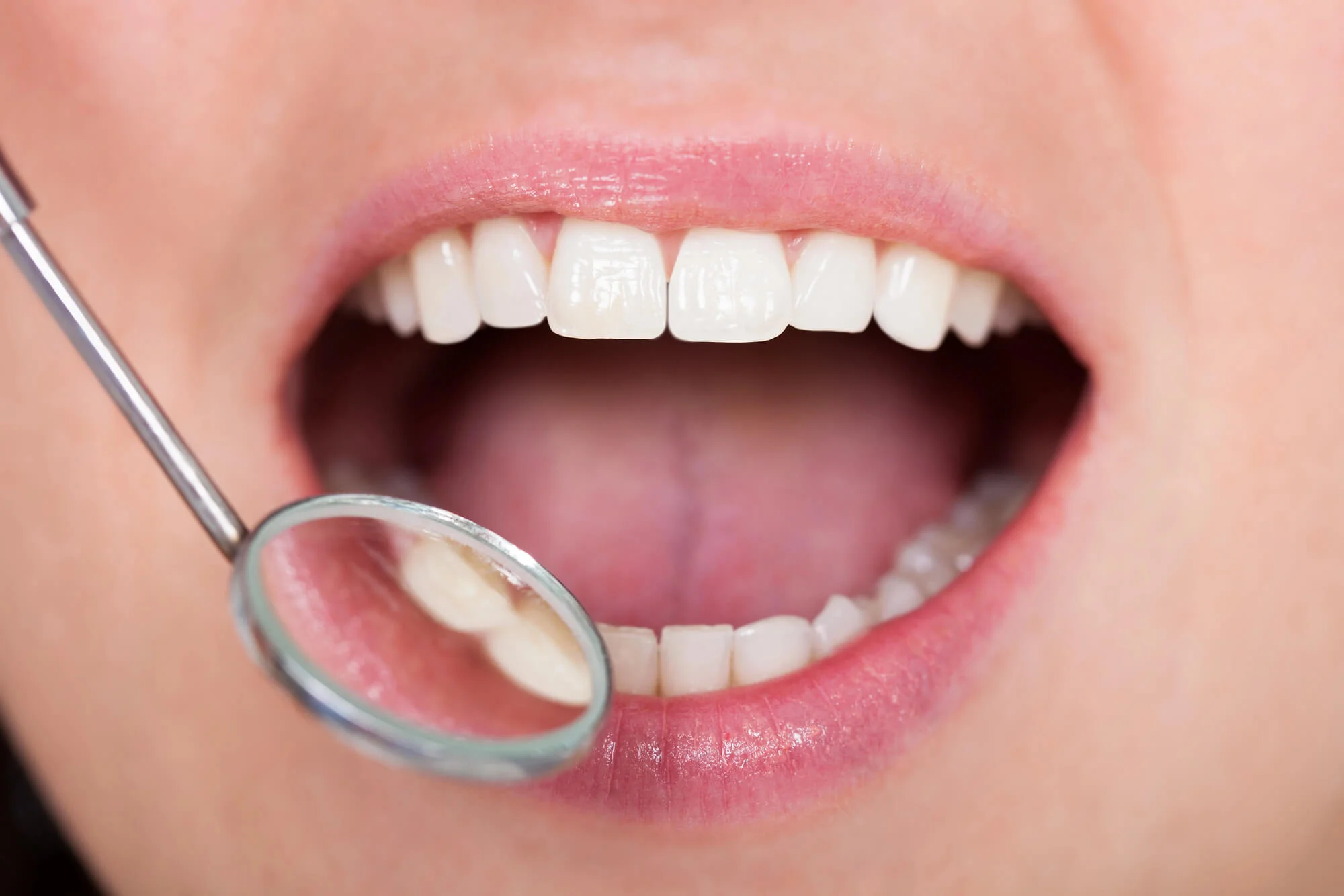
Simple Oral Hygiene Habits That Support Healthy Smiles
Create a Consistent Daily Routine
Consistency helps many patients feel more comfortable with brushing and flossing. Keeping oral care at the same time each morning and evening may help create familiarity and reduce resistance.
Visual schedules, timers, music, or step-by-step instructions can also make routines easier to follow. Some patients respond well to positive reinforcement or reward systems after brushing successfully.
A calm routine often creates better long-term habits.
Choose the Right Toothbrush
The right toothbrush can improve comfort and make brushing easier. Soft-bristled toothbrushes are gentle on sensitive gums and teeth. Electric toothbrushes may help patients who have difficulty with hand movements or brushing technique.
Some patients prefer smaller brush heads or silicone brushes for sensory comfort. Trying different options may help identify what feels easiest and most comfortable.
Comfort matters when building long-term brushing habits.
Use Toothpaste That Feels Comfortable
Strong flavors or foaming toothpaste can feel overwhelming for some patients. Mild-flavored or unflavored toothpaste may provide a more comfortable experience.
Patients with sensory sensitivities sometimes tolerate gel toothpaste better than traditional formulas. Finding a toothpaste with a texture and flavor the patient accepts can make daily care much easier.
Break Brushing Into Smaller Steps
Brushing for a full two minutes may feel difficult at first. Breaking brushing into shorter sections can help patients build tolerance gradually.
Some families focus on one area of the mouth at a time before moving to longer brushing sessions later. Small progress still supports healthier teeth and gums.
Patience and consistency often matter more than perfection.
Make Flossing Easier
Traditional floss can feel challenging for some patients. Floss picks, water flossers, or floss holders may improve comfort and simplify the process.
Caregivers may also assist when necessary. The goal is to reduce plaque between teeth and protect gum health in a way that feels manageable.
Simple tools often make oral care less frustrating.
Encourage Healthy Food and Drink Choices
Sugary snacks and drinks increase the risk of cavities. Water, fruits, vegetables, and balanced meals help support stronger teeth and healthier gums.
Sticky candies and frequent sipping on sugary beverages may create more plaque buildup throughout the day. Small dietary changes can help protect oral health over time.
Schedule Routine Dental Visits
Preventive dental visits help identify small concerns before they become larger problems. A compassionate dental team can also recommend personalized hygiene strategies based on the patient’s specific needs.
Routine cleanings and exams support healthier smiles and more positive dental experiences.
Are You looking for a Special Needs Dentist?
Every patient deserves personalized care, patience, and support when it comes to oral health. Simple habits practiced consistently can improve comfort, confidence, and long-term dental wellness.
The right approach may look different for every individual. What matters most is creating routines that feel realistic, manageable, and encouraging.
If you are searching for a caring special needs dentist, contact La Cantera Dental Group today to learn how personalized dental care can support healthier smiles and more comfortable visits for patients with unique needs.


