

How Do I Prevent Damage From Nighttime Teeth Grinding?
March 2, 2026
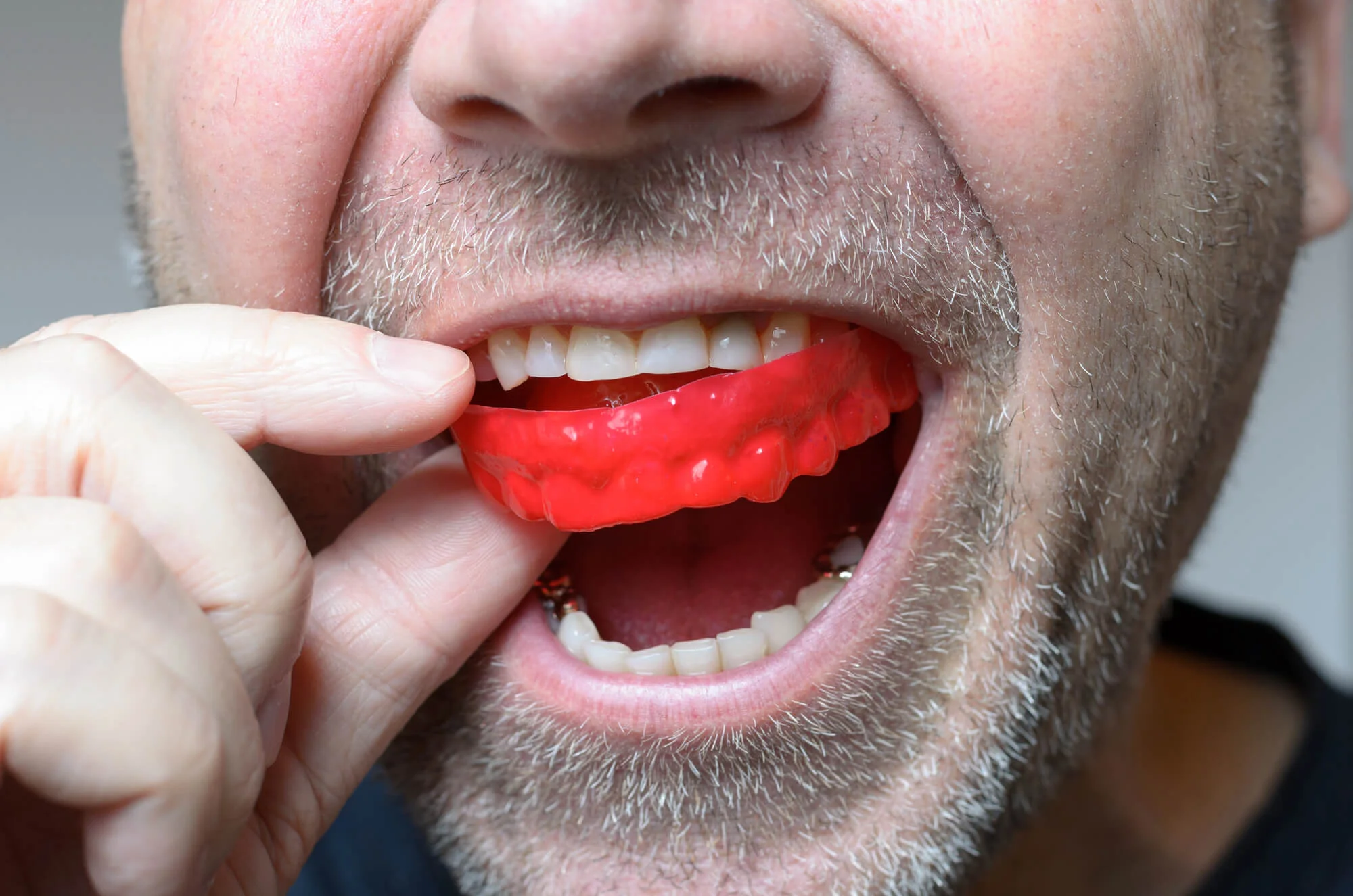
Many people wake up with jaw soreness, headaches, or sensitive teeth without realizing the cause. Nighttime grinding, also known as bruxism, often happens during sleep. Over time, it can wear down enamel, strain jaw muscles, and even lead to cracks or chips. One of the most effective ways to protect your smile is by using dental night guards, which create a barrier between your teeth while you sleep.
Understanding how to prevent damage starts with recognizing the signs and taking simple, consistent steps to protect your oral health.

Simple Ways to Protect Your Teeth While You Sleep
Recognize the Early Signs of Grinding
Catching bruxism early makes a big difference. Common signs include waking up with a tight jaw, dull headaches, or teeth that feel more sensitive than usual. Some people also notice flattened or worn edges on their teeth.
If these symptoms sound familiar, it’s worth paying attention. Early awareness allows you to act before serious damage develops.
Use a Custom Night Guard
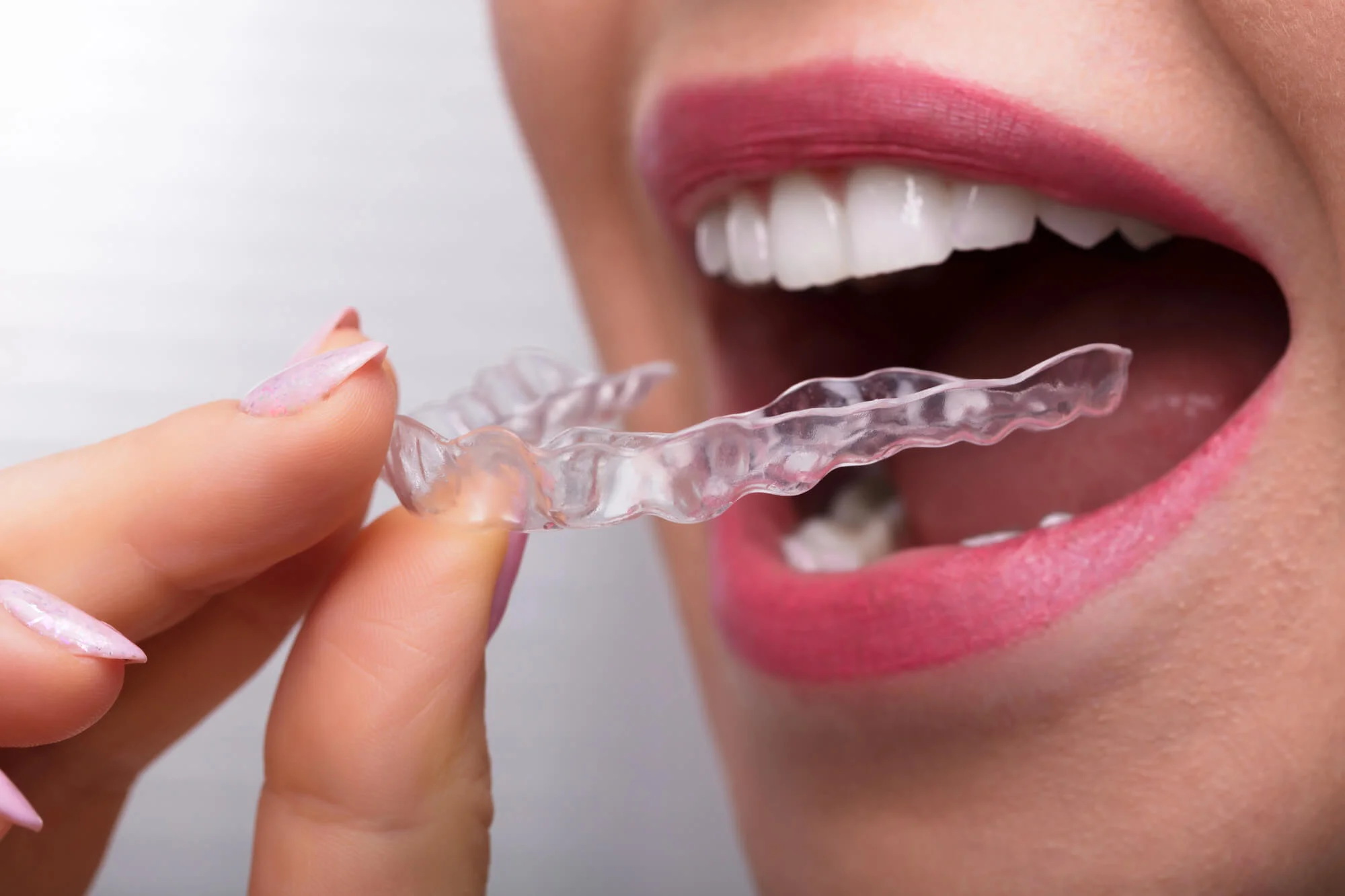
A properly fitted night guard offers reliable protection. It cushions your teeth and prevents direct contact while you grind or clench. Custom-made options from your dentist are designed to fit your bite comfortably, making them easier to wear every night.
Store-bought guards may help in the short term, though they often feel bulky or less secure. A personalized fit usually provides better long-term results.
Reduce Stress Before Bed
Stress plays a major role in nighttime grinding. When your body stays tense, your jaw often follows. Creating a calming nighttime routine can help reduce that tension.
Simple habits can make a difference:
- Light stretching or yoga
- Deep breathing exercises
- Limiting screen time before bed
- Listening to calming music
These small changes help your body relax, which can reduce grinding intensity over time.
Avoid Certain Triggers
Some daily habits can make grinding worse. Caffeine, alcohol, and tobacco tend to increase muscle activity during sleep. Reducing or avoiding these in the evening can lower your risk.
Pay attention to patterns. If your symptoms worsen after certain foods or drinks, adjusting your routine may help protect your teeth.
Practice Jaw Relaxation During the Day
Bruxism doesn’t always stop when you wake up. Many people clench their jaw during the day without noticing. Training yourself to keep your jaw relaxed can reduce overall strain.
Try this simple check: your teeth should be slightly apart, lips closed, and tongue resting gently on the roof of your mouth. Practicing this position helps prevent unnecessary tension.
Keep Up With Regular Dental Visits
Routine dental checkups allow your dentist to monitor any changes in your teeth and jaw. They can spot early signs of wear, recommend the right type of protection, and adjust your treatment if needed.
Regular visits also ensure that your night guard fits properly and continues to provide effective support.
Protect Your Smile With Dental Night Guards
Preventing damage from nighttime grinding doesn’t have to feel overwhelming. Small adjustments, combined with the right protection, can make a lasting difference. Dental night guards remain one of the most effective tools for protecting your teeth, reducing discomfort, and supporting better sleep.
If you’re noticing signs of grinding or want to take a proactive approach, professional guidance can help you choose the best solution for your needs. A personalized plan ensures both comfort and long-term protection.
Take the next step toward a healthier smile by reaching out to La Cantera Dental Group. Our team can help you find the right fit and protect your teeth for years to come.


