

How Soon Can You Brush and Floss After Getting a Dental Crown?
September 7, 2026
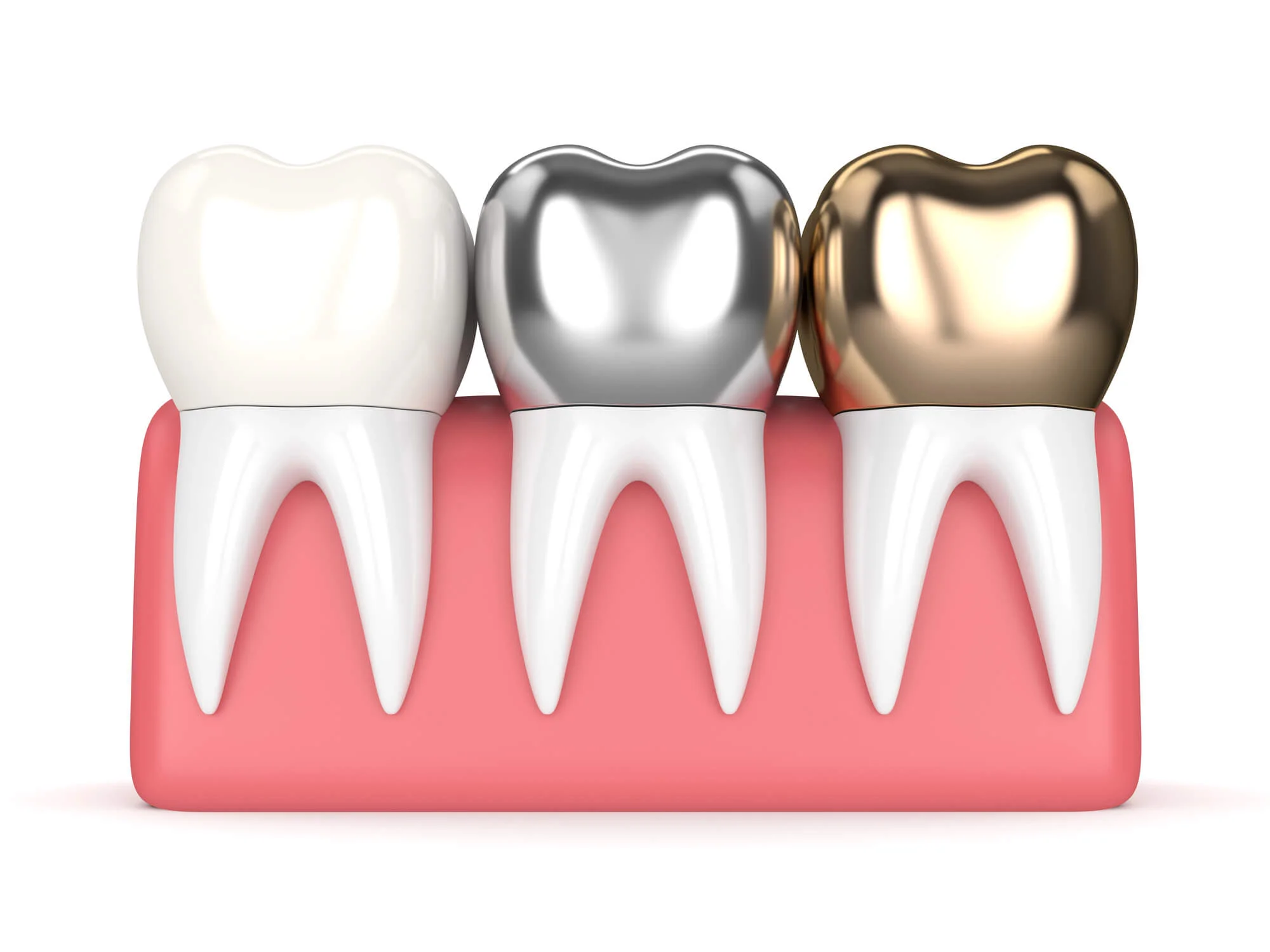
Getting a dental crown can restore a damaged or weakened tooth while helping you feel comfortable with your smile again.
After treatment, you may wonder when it is safe to return to your usual oral hygiene routine. Patients considering dental crowns in San Antonio should know that keeping the area clean is important, but a little extra care may be needed during the first few days.
Caring for Your Dental Crown After Treatment
Good oral hygiene helps protect the tooth beneath your crown and the surrounding gum tissue. Knowing how to brush, floss, and eat after your appointment can make the adjustment period easier.
When Can You Brush After Getting a Crown?
You can typically brush your teeth the same day your crown is placed. If your mouth is still numb, wait until the sensation returns so you do not accidentally bite or irritate your cheek, tongue, or gums.
Use a soft-bristled toothbrush and gentle pressure around the treated tooth. Mild gum sensitivity may occur after the procedure. Avoid aggressive scrubbing if the area feels tender.
Continue brushing twice daily with fluoride toothpaste. A crown cannot develop decay, but the natural tooth underneath and along the crown's edges still requires regular care.
When Can You Floss Around a Dental Crown?
Flossing is just as important as brushing because plaque can collect between the crowned tooth and neighboring teeth. With a permanent crown, you can usually return to gentle flossing shortly after placement.
If you have a temporary crown, your dentist may recommend sliding the floss out from the side instead of pulling it upward. This technique can reduce the chance of accidentally loosening the temporary restoration.
Once your permanent crown is secure, normal flossing can become part of your everyday routine again.
What Should You Avoid During the First Day?
Your crowned tooth may feel slightly different at first. Give yourself time to adjust. Avoid chewing while your mouth is numb and follow any eating instructions provided by your dentist.
If you have a temporary crown, avoid very sticky or hard foods that could loosen or damage it. Chewing on the opposite side of your mouth may feel more comfortable until the permanent crown is placed.
How Can You Keep Your Crown Healthy Long-Term?
Treat your crown much like a natural tooth. Brush twice daily, floss every day, and schedule regular dental cleanings and examinations.
Avoid using your teeth to open packages, bite your nails, or chew ice. These habits can place unnecessary pressure on crowns and natural teeth. If you grind or clench your teeth, ask your dentist whether a nightguard could help protect your restoration.
Contact your dentist if your crown feels loose, your bite feels uneven, or you experience persistent pain or sensitivity. Prompt attention can help protect the crowned tooth.
Protect Your Smile With Dental Crowns in San Antonio
Brushing and flossing can usually resume quickly after crown placement. Gentle care during the first few days and consistent oral hygiene afterward can help keep your crown and surrounding teeth healthy.
If you have questions about crown care or think you may need a restoration, our team La Cantera Dental Group can help you. Schedule an appointment to learn how dental crowns in San Antonio can help restore and protect your smile.


